
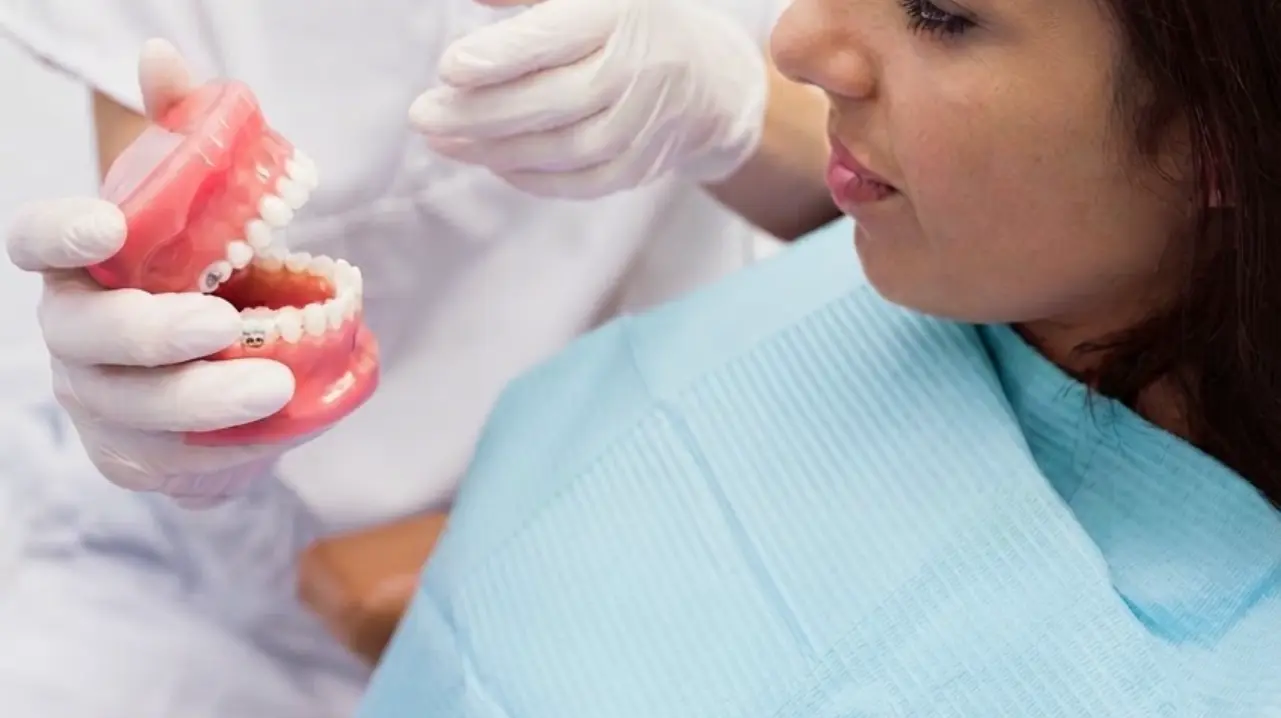
Full mouth restoration helps by treating worn, broken, missing, and failing teeth as one connected plan instead of separate repairs done at different times. Each tooth is fixed in a way that supports its neighbors and keeps the bite balanced across the whole mouth.
It is a planned, step-by-step process, and it can take time to complete. This blog explains when it applies, how treatment unfolds, and how the restorations work together to support a comfortable bite and a lasting result.
Why One Plan Works Better Than Separate Repairs
Teeth do not work alone. This is why a single review of the whole mouth is often the first step. A cracked molar, a missing tooth, and a worn front tooth can each shift the way the others meet when chewing.
Fixing them one at a time can leave new work under uneven pressure. A single plan for full mouth restoration with multiple dental problems lets every repair match the same bite and the same long-term goals. Over time, that can mean fewer repeat repairs.
Problems a Full Mouth Plan Can Address
Each of these can be treated on its own, but together they call for planning. Complex restorative dentistry is usually considered when several are present at once. Treating them in a planned sequence protects work already done and keeps the bite balanced.
- Teeth are worn down from grinding, clenching, or acid.
- Teeth are cracked, broken, or heavily filled.
- One or more teeth are missing.
- Older crowns, bridges, or fillings are failing.
- Chewing feels uneven, or the jaw often feels tired.
Having one of these does not mean a full plan is needed. An exam shows whether a smaller treatment would be enough, and many patients start with a single visit to talk it through.
How Treatment Usually Unfolds
Full mouth reconstruction follows a set order so the mouth stays comfortable between visits. Each stage is explained beforehand so patients know what to expect next.
- Photos, X-rays, and scans record how the teeth and jaw fit together today.
- A plan is made for how each tooth will be treated and in what order.
- Decay, infection, and gum problems are treated first to create a healthy foundation.
- The mouth is rebuilt in stages, often one section at a time.
- Final restorations are placed, and the bite is checked and fine-tuned.
Restorative Care in Atlanta
At Henderson Mill Dental Care in Atlanta, Georgia, we have served the community for more than 40 years and provide care in English, Japanese, and Spanish. We offer crowns and bridges, dental implants, dentures, inlays and onlays, and tooth-colored restorations among our restorative services.
We also offer TMD treatment and use a CBCT scanner, which captures 3D images of the teeth and jaw for planning purposes in our office. A consultation can show whether several problem teeth would be better handled together and which restorations could suit each one.
Planning Full Mouth Restoration in Atlanta, GA
Full mouth restoration brings order to a mouth where many teeth need attention at once. Patients in Atlanta weighing options for full mouth restoration with multiple dental problems are welcome to discuss crowns, bridges, or implants with our team at Henderson Mill Dental Care.
Frequently Asked Questions
How can grinding affect the design of a full mouth reconstruction?
Grinding wears teeth down and puts extra force on restorations. Plans for grinders often use stronger materials and a custom nightguard to protect the finished work, since heavy forces can chip or loosen new crowns over time.
Why is bite analysis important before several crowns or restorations are made?
The bite decides how chewing forces spread across new work. If the contact is uneven, a few crowns can take too much load and chip. We check it first so the restorations feel comfortable and last longer.
How does a dentist decide which teeth should be saved and which should be replaced?
Teeth with enough healthy structure and firm support in the bone are usually kept. We may replace teeth with deep cracks, severe decay, or loose support. Saving natural teeth is generally preferred when it can be done reliably.
What role do implants, crowns, bridges, and bonding play in one comprehensive plan?
Crowns cover and strengthen damaged teeth. Bridges and implants replace missing teeth, while bonding reshapes small chips or worn edges. We choose each for the specific tooth, so one plan may combine several of them as needed.
Can temporary restorations be used to test a new bite before final work is completed?
Yes. Temporary restorations let patients try a new bite height and shape for a period of time. We check comfort, speech, and chewing, and make adjustments with the patient before the permanent restorations are made.