

Tooth loss may affect much more than the way a smile looks. Missing teeth can gradually influence chewing comfort, speech clarity, jawbone support, and overall confidence in everyday interactions. Some individuals also notice shifting teeth or bite changes developing over time after tooth loss remains untreated.
Modern implant dentistry has become one of the most widely used solutions for replacing missing teeth because it focuses on both function and long-term stability. Dental implants are designed to support restorations while helping maintain a healthier jawbone structure beneath the gums.
Individuals researching a dental implant procedure in Atlanta, GA, are often looking for a treatment option that feels durable, natural-looking, and supportive for long-term oral health. Implant dentistry today emphasizes careful planning, individualized treatment approaches, and restorative outcomes designed to blend naturally with surrounding teeth.
Replacing missing teeth early may help support better long-term oral stability.
Dental Implants Replace Both the Tooth and Root Structure
Traditional restorations often focus primarily on replacing the visible portion of a missing tooth. Dental implants differ because they are designed to replace the underlying root structure as well.
The implant itself is typically placed into the jawbone where it gradually integrates with surrounding bone tissue during healing. After this integration process, a restoration such as a crown may be attached to complete the replacement.
Individuals considering a Dental Implant Procedure in Atlanta, GA frequently appreciate understanding that implants are intended to support both appearance and functional stability over time.
Restoring the root structure may also help support healthier jawbone maintenance later.
Bone Support Plays an Important Role
Healthy jawbone support is an important part of successful implant treatment planning. When teeth remain missing for extended periods, bone loss may gradually occur in the affected areas because the jaw no longer receives regular stimulation during chewing.
Implant placement helps restore functional stimulation to the jawbone, which may help maintain bone structure over time. However, treatment recommendations vary according to individual bone levels and oral health conditions.
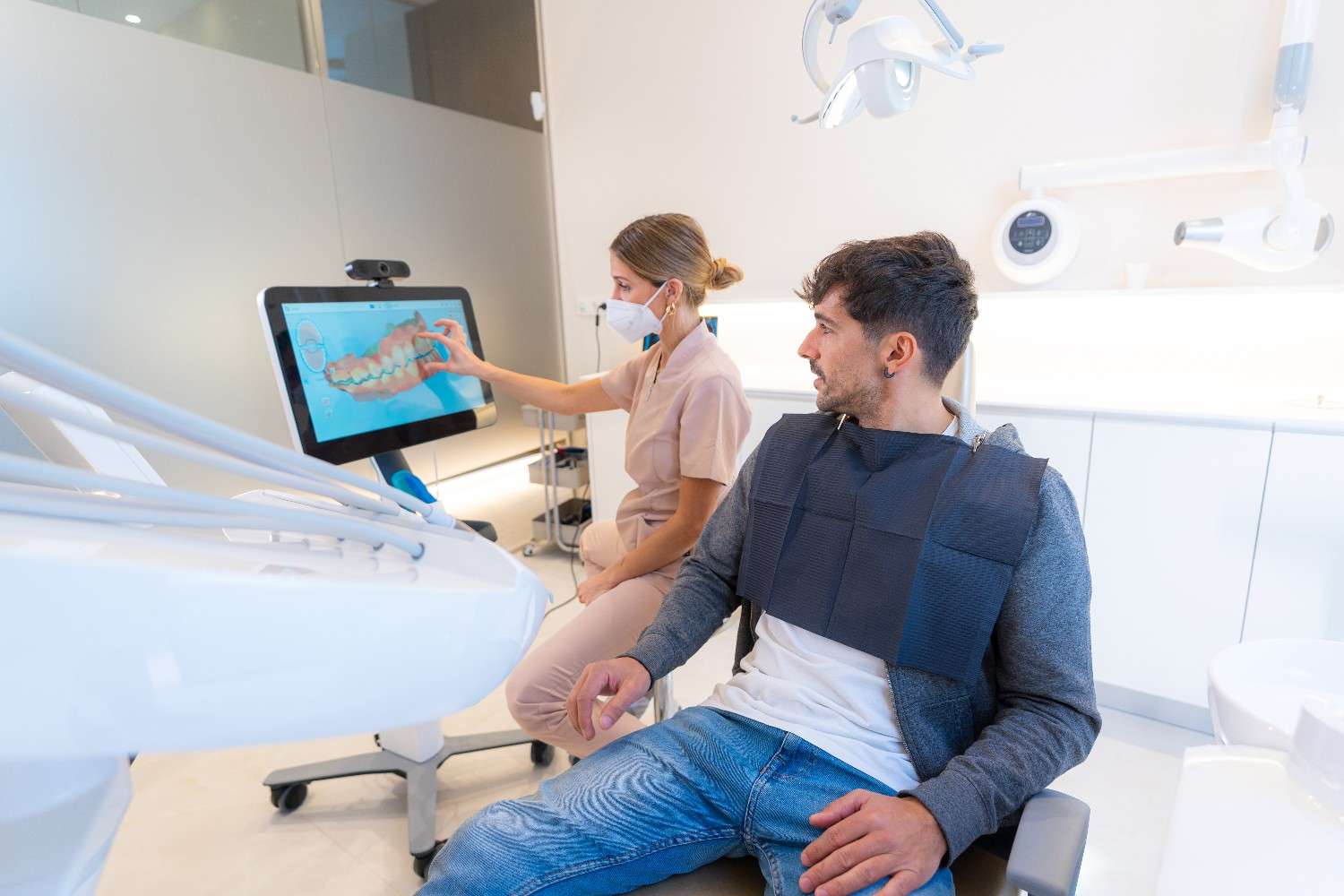
Routine evaluations and imaging often help clinicians determine whether additional preparatory treatment may be beneficial before implant placement begins.
Careful planning frequently improves long-term restorative outcomes.
Implant Dentistry Is Highly Customized
Every patient experience tooth loss differently, depending on oral health history, jaw structure, gum condition, and the number of missing teeth. Implant treatment therefore typically involves individualized planning rather than one standard process for everyone.
Some patients require replacement for a single missing tooth, while others may need more comprehensive restorative planning involving multiple implants or full-arch restorations.
At Henderson Mill Dental Care, implant consultations may include detailed discussions of oral health goals, treatment stages, healing expectations, and restorative options tailored to each patient’s needs.
Clear communication often helps patients feel more informed throughout treatment planning.
Healing Time Supports Long-Term Stability
Dental implant treatment generally occurs over multiple stages because healing and bone integration require time. After implant placement, the surrounding bone gradually fuses with the implant surface during the healing period.
This integration process helps create the stability needed to successfully support the final restoration. Although healing timelines vary, long-term stability often depends on allowing adequate healing before completing the final restoration.
Individuals exploring a dental implant procedure in Atlanta, GA, often priorities treatment approaches focused on precision and long-term function over unnecessarily rushing the process.
Careful healing often leads to greater restorative durability.
Daily Maintenance Still Matters After Implant Treatment
Dental implants are designed to be durable, but long-term success still depends on healthy daily oral hygiene habits and routine professional care. Gum health remains especially important because the surrounding tissues continue to support the implant structure over time.
Brushing, flossing, preventive cleanings, and regular examinations all help maintain implant stability and overall oral health.
Patients who maintain strong preventive habits often experience better long-term implant outcomes.
Preventive consistency remains important even after restorative treatment is completed.
Modern Implant Dentistry Focuses on Natural Results
Many patients appreciate that implant-supported restorations are commonly designed to blend naturally with surrounding teeth in both appearance and function. Modern materials and digital planning techniques help improve restorative precision while supporting a more natural smile overall.
Patients also often notice improved chewing comfort and confidence compared to living with untreated tooth loss or unstable restorations.
Restorative dentistry today increasingly focuses on preserving both aesthetics and long-term oral stability together.
Comfort and functionality frequently improve alongside the appearance of the smile.
Replacing Missing Teeth May Improve Long-Term Oral Stability
Missing teeth can gradually affect oral health, bite balance, and confidence when left untreated. Dental implants help restore structure, support function, and maintain healthier oral stability through a more comprehensive restorative approach.
Modern implant dentistry combines careful planning with customized restorative care designed around each patient’s long-term needs. Many individuals appreciate the personalized treatment philosophy and restorative approach emphasized by Henderson Mill Dental Care when helping patients rebuild healthier and more confident smiles.
FAQs
1. What makes dental implants different from other tooth replacement options?
Dental implants are designed to replace both the visible tooth and the underlying root structure for added stability.
2. How long does dental implant treatment usually take?
Treatment timelines vary depending on healing, bone integration, and the complexity of the restorative plan.
3. Can missing teeth affect jawbone health over time?
Yes. Bone loss may gradually occur in areas where teeth remain missing for extended periods.
4. Do dental implants require daily maintenance?
Yes. Brushing, flossing, preventive cleanings, and routine examinations remain important after implant treatment.
5. What influences long-term dental implant success?
Healthy gums, strong oral hygiene habits, individualized treatment planning, and ongoing care from Henderson Mill Dental Care may help support long-term implant stability.