

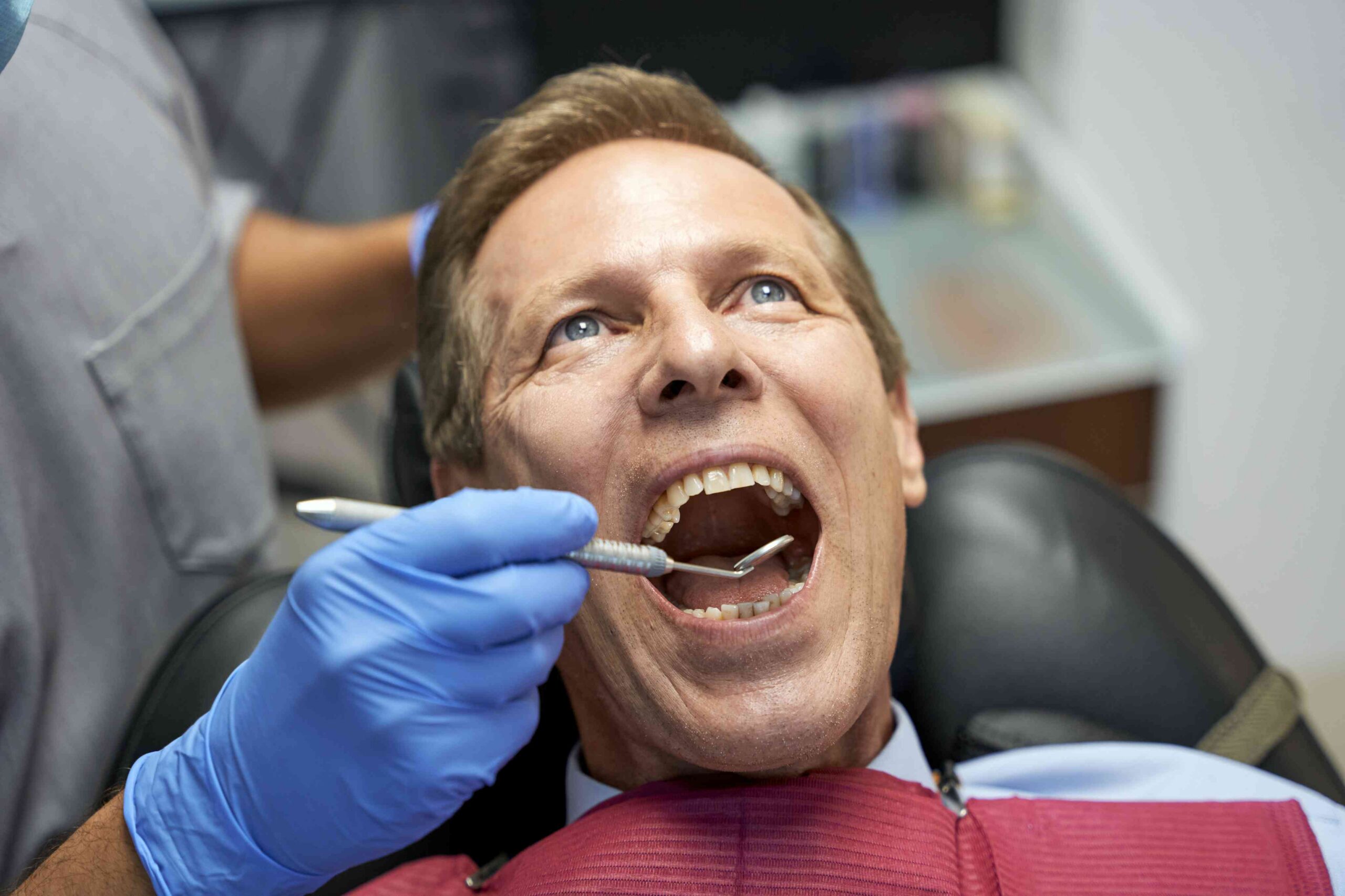
Dental Implants Tucker, GA may replace one or more missing teeth after a dental evaluation. Implants act like artificial tooth roots that can support crowns, bridges, or dentures in selected cases. Patients in Tucker, GA and Decatur, GA may consider implants to support chewing, speech, bite balance, and long-term tooth replacement planning. Suitability depends on gum health, bone support, healing ability, medical history, oral hygiene, bite pressure, and the condition of nearby teeth.
A missing tooth can change daily comfort in ways that are easy to overlook at first. Food may collect near the gap; chewing may feel uneven, or nearby teeth may slowly shift. Some patients in Tucker, GA think about tooth replacement soon after losing a tooth, while others wait until the space begins to affect function or appearance.
People searching for Dental Implants in Tucker, GA often want to know whether implants are a stable option or whether a bridge, denture, or another treatment may fit better. Dental implants can be helpful for selected patients, but they require healthy support and careful planning. The decision should be based on gums, bone, bite pressure, medical history, healing ability, and how the final replacement tooth will function.
What a Dental Implant Does
A dental implant is a small post placed into the jawbone to act like an artificial tooth root. After healing, the implant may support a crown, bridge, or denture.
The implant sits below the gumline. The restoration attached above the gumline replaces the visible tooth or teeth. Together, they help restore chewing function and appearance in selected cases.
Dental Implants Tucker, GA may be discussed for one missing tooth, several missing teeth, or larger replacement needs. The design depends on the number of missing teeth, gum health, bone support, bite pressure, and cleaning access.
Why Missing Teeth Should Be Evaluated
A missing tooth does not stay separate from the rest of the mouth. Teeth beside the gap may tilt or drift. The opposing tooth may move because it no longer meets a chewing partner.
Chewing can also change. Patients may begin using one side more often, which can put extra pressure on certain teeth. Over time, this may affect comfort and bite balance.
Replacing a missing tooth may help support chewing, speech, spacing, and function. The right replacement option depends on the full mouth, not only on the visible space.
Bone Support Helps Decide What Is Possible
Implants need stable bones around them. After a tooth is lost, the jawbone in that area can slowly change shape. This can affect whether an implant can be placed and how the restoration may be designed.
If enough bone remains, implant planning may be more straightforward. If bone has changed, additional evaluation or preparation may be needed before an implant can be considered.
X-rays or imaging may be recommended to review the area. This helps the dentist understand bone height, width, and nearby structures before discussing options.
Gum Health Around Implants Matters
Implants cannot get cavities, but the gums and bones around them still need care. Plaques can collect around implant crowns, bridges, or dentures.
Active gum inflammation may need treatment before implant planning begins. Healthy gums help support safer planning and easier long-term maintenance.
At Henderson Mill Dental Care, implant discussions may include gum health, bone support, bite pressure, oral hygiene, nearby teeth, and the final restoration before options are explained. This helps patients understand why implant planning involves more than filling a gap.
Who May Need Care Before Implant Treatment
Some patients may not be ready for implants right away. Untreated gum disease, active infection, low bone support, heavy smoking, certain medical conditions, or poor oral hygiene may affect timing or suitability.
Grinding and clenching can also matter. Strong bite forces may stress implants, natural teeth, and restorations.
These factors do not always rule out implants. They may change the treatment sequence, preparation, or recommended tooth replacement option. A dental evaluation helps identify what needs to happen first.
How Implants Compare with Bridges
A dental bridge may replace a missing tooth by using nearby teeth for support. Traditional bridges often involve crowns on the teeth beside the gap.
A bridge may make sense when nearby teeth already need crowns or can provide stable support. An implant may be discussed when nearby teeth are healthy, and enough bone is available.
For someone comparing options, the key difference is support. Bridges often depend on nearby teeth, while implants depend on bone support. The better option depends on oral health, bite, cleaning access, and long-term planning.
How Implants Compare with Dentures
Dentures are removable appliances that may replace several teeth or a full arch. They can be practical for many patients, especially when multiple teeth are missing.
Implants may provide added support in selected cases because they are anchored in bone. Some dentures can also be supported by implants.
The right choice depends on gum health, bone levels, comfort, maintenance, bite pressure, and patient goals. No single replacement option fits every patient.
How Implants Can Fit with Cosmetic Dental Planning
Missing teeth can affect smile balance, facial support, and the way nearby teeth appear. For patients also thinking about cosmetic changes, tooth replacement may need to be planned before whitening, veneers, bonding, or crowns.
A cosmetic dentist at Tucker, GA consultation may include looking at missing teeth, tooth color, spacing, gumline, and bite. If a patient has both missing teeth and cosmetic concerns, the order of care can affect the final appearance.
Patients searching for a dentist in Decatur GA may also compare implant options near Tucker if they want tooth replacement that supports both function and smile planning. A complete exam helps connect these needs.
When Tooth Loss Follows an Emergency
A dental emergency can sometimes lead to a tooth loss. Severe trauma, deep fractures, or advanced infection may make a tooth difficult to restore.
Patients seeking Emergency Dental Care Tucker, GA may first need to care for pain, swelling, infection, or injury. Tooth replacement is usually discussed after the urgent concern is controlled, and the area is evaluated.
Implant planning should not be rushed during active infection or swelling. Healing, bone support, gum health, and overall oral health need to be reviewed first.
Practical Reasons Patients Ask About Implants
Dental implants may offer useful benefits when a patient is a suitable candidate, and care is maintained over time.
Dental implants may help with:
- Replacing missing tooth roots
- Supporting crowns, bridges, or dentures
- Improving chewing stability
- Helping maintain spacing
- Supporting speech in selected cases
- Avoiding removable clasps in some situations
- Planning long-term tooth replacement
- These benefits depend on healing, gum health, bone support, bite pressure, home care, and routine dental visits.
What Usually Happens During an Implant Consultation
An implant consultation often begins with questions about missing teeth, chewing concerns, health history, medications, and goals. The dentist may ask how long the tooth has been missing and whether the area feels uncomfortable.
The exam may include checking gums, bone levels, remaining teeth, bite, and oral hygiene. X-rays or imaging may be recommended to evaluate the implant site and surrounding structures.
After evaluation, patients may learn whether implants are possible, whether another option may fit better, or whether additional care is needed first. The plan should explain likely stages clearly.
Local Patient Review
“I had a missing tooth and wanted to compare implants with other options. The visit helped explain how bone, gums, and bite affected the decision.”
Replacing Missing Teeth with a Complete Plan
Dental implants may help selected patients replace missing teeth, but the best option depends on gums, bone, bite, healing, and daily care. For patients in Tucker, GA and Decatur, GA, Henderson Mill Dental Care can help explain implant options and how tooth replacement may fit into a full oral health plan.
Frequently Asked Questions
What makes Dental Implants Tucker, GA different from bridges?
Implants use support from the jawbone, while traditional bridges often use nearby teeth. The better option depends on bone, gums, bites, and tooth condition.
Can implants replace several missing teeth?
Yes, implants may support crowns, bridges, or dentures in selected cases. The design depends on how many teeth are missing and available for support.
Why does bone matter for dental implants?
Implants need stable bones for support. If bone has changed after tooth loss, additional evaluation or preparation may be needed before implant treatment.
Can gum disease delay implant treatment?
Yes, active gum disease or inflammation may need to be careful first. Healthy gums help support implant planning and long-term maintenance.
Are dental implants cosmetic or restorative?
They are mainly restorative because they replace missing tooth roots and support replacement teeth. They may also improve their smile appearance in selected cases.
Can implants be discussed after a dental emergency?
Yes, but urgent pain, swelling, infection, or trauma should be managed first. Implant options may be discussed after healing and evaluation.
Do implant teeth need regular dental visits?
Yes, implants need routine monitoring. The implant cannot decay, but surrounding gums, bones, and restorations still need care.
Where can Decatur patients ask about implant options?
Patients near Decatur may compare nearby Tucker for dental care for implant consultations. An evaluation can explain whether implants or another option may fit.